

Targeted support for shoulder & arm
Shoulder and arm orthoses provide targeted stabilization, relief, and immobilization after injuries or surgery. Discover selected AIRCAST orthoses with functional wearing systems and individually adjustable straps for care tailored to your needs.
Which shoulder or arm brace is right for you?
Shoulder and arm braces differ in terms of stabilization, immobilization, and wearing comfort. Three key criteria can help you find the right support for your individual needs.
The right degree of immobilization
Depending on the injury or treatment, a supportive arm sling or a more stabilizing orthosis may be required. What matters is how much the movement of the shoulder and arm needs to be restricted.
Secure and comfortable fit
A suitable brace should reliably support the arm without causing uncomfortable pressure points. Adjustable straps and padded supports can make it easier to achieve a customized fit.
Everyday Life & Rehabilitation
Depending on the model, shoulder and arm braces are used after injuries or surgery, or during rehabilitation. Pay attention to the intended arm position, the recommended duration of wear, and the manufacturer’s instructions.

Secure support for shoulder & arm
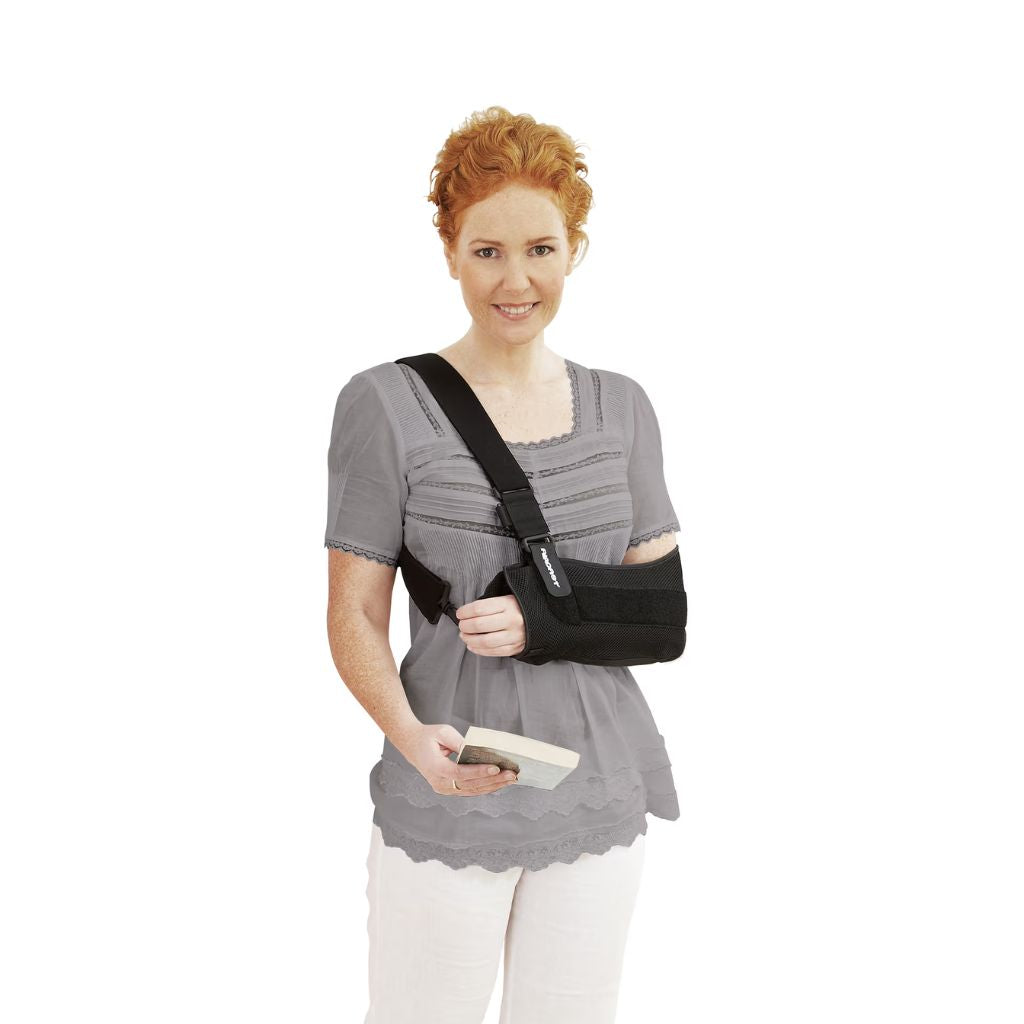
After injuries or surgical procedures, targeted immobilization of the shoulder and arm may be necessary. The AIRCAST Arm Immobilizer helps keep the arm stabilized close to the body. Its adjustable straps and functional design allow the orthosis to be adapted to the intended treatment.
Discover the AIRCAST arm braceStability and relief for shoulder & arm
Shoulder and arm braces can help stabilize the arm, relieve pressure on the shoulder joint, and selectively restrict certain movements. Depending on their design, they can provide appropriate immobilization after injuries or surgical procedures.
Targeted immobilization
Specially designed orthoses can hold the shoulder and arm in a prescribed position and limit unwanted movements.
Customization
Adjustable strap systems on suitable models allow adjustment to the body shape and the medically prescribed arm position.
Relieving arm position
Supporting the arm in a resting position can reduce strain on the shoulder and surrounding structures.
Functional materials
Padded straps, skin-friendly materials, and thoughtfully designed fasteners can help ensure a comfortable fit during use.
Frequently asked questions about hallux valgus
When is a shoulder or arm brace appropriate?
Shoulder and arm braces are used to stabilize, relieve or immobilize the arm or shoulder joint in a targeted way. They may be used, for example, after injuries or surgery, or for certain conditions. The choice depends on the medical indication and the level of support needed.
What is the difference between a shoulder support and a shoulder brace?
Shoulder supports are often made from elastic materials and provide supportive stabilization or compression. Depending on the model, shoulder braces feature additional straps, supports, or stabilizing elements. They can selectively restrict mobility or hold the arm in a specific position.
How long should a shoulder or arm brace be worn?
Wear duration depends on the type of injury, the treatment goal, and the orthosis used. While some models are worn only during certain activities, others require longer-term immobilization. Follow your doctor’s recommendations and the manufacturer’s instructions.
What should I look for in the size and fit of an arm brace?
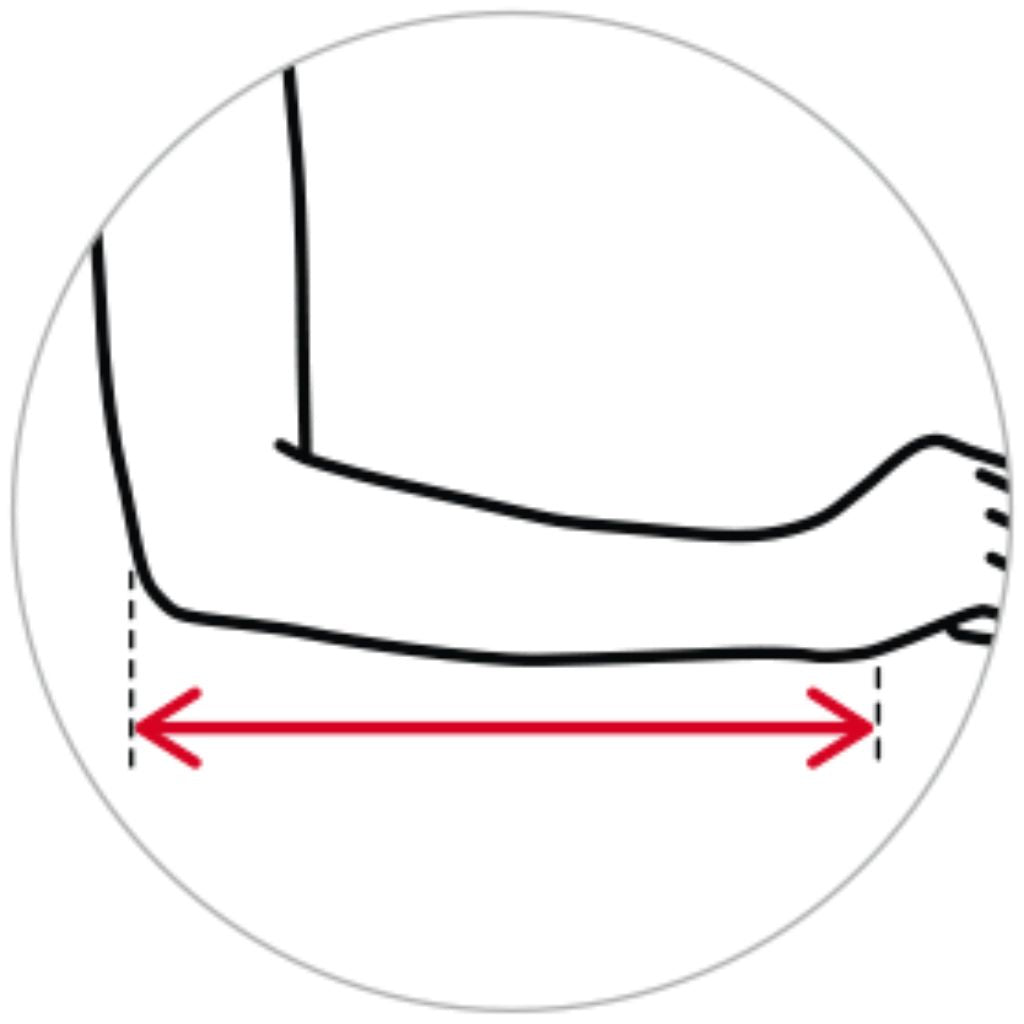
A well-fitting arm brace should reliably support the arm without causing uncomfortable pressure points. The right size, arm position, and correctly adjusted straps and fasteners are important. Follow the size chart and the instructions from the relevant manufacturer. After injuries or surgery, fitting should be carried out by a medical professional if necessary.