

CPAP pillow masks for more freedom while you sleep
CPAP pillow masks, also known as nasal pillow masks, provide sleep apnea therapy through the nose with minimal facial contact. Small, soft nasal pillows seal directly at the nostrils without covering the entire bridge of the nose. This gives many models a clearer field of vision and a lightweight design. Explore modern CPAP pillow masks with different nasal pillow sizes, individually adjustable headgear, and flexible hose routing for your CPAP or APAP therapy.
What should I look for in a CPAP pillow mask?
CPAP pillow masks allow sleep apnea therapy through the nose, with minimal facial contact. Small nasal pillows seal directly at the nostrils. Differences in pillow size, mask frame, and hose routing can affect comfort and the seal. These three criteria can help you choose.
The right nose pad size
Nasal pillow masks use small cushion seals that rest against the nostrils. The right size is essential for a reliable seal and comfortable wear. Cushions that are too small or too large can contribute to air leaks and pressure marks. Therefore, follow the sizing guidance provided by the manufacturer.
Secure fit with minimal contact area
A CPAP pillow mask should seal as reliably as possible without putting uncomfortable pressure on the nostrils. Pay attention to the shape of the nasal pillows, the headgear adjustment options, and a secure fit even when moving during sleep.
Which hose routing is right for you?
Depending on the model, the hose connection is located in front of the nose or on top of the head. Routing the hose over the head can be beneficial for frequent position changes. The weight of the mask frame, the headgear design, and the flexibility of the connection also affect individual comfort.
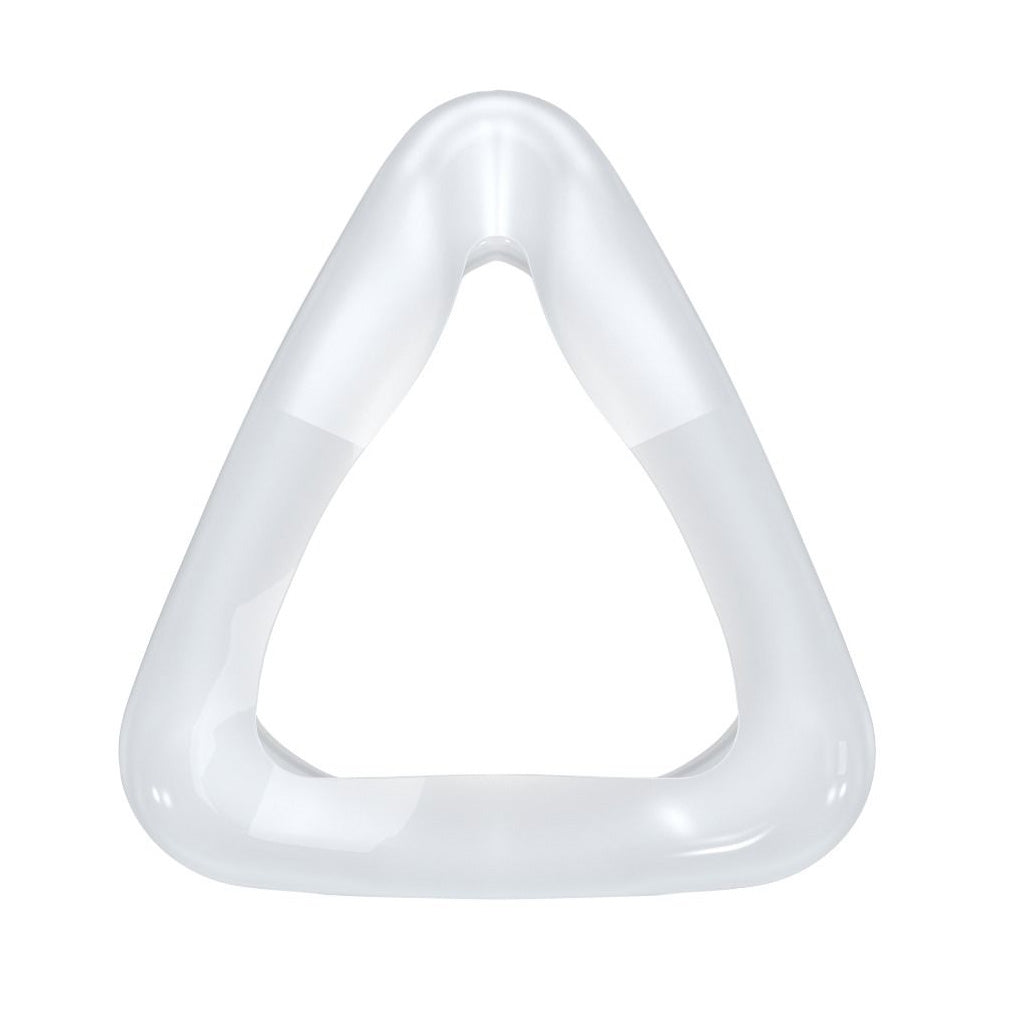


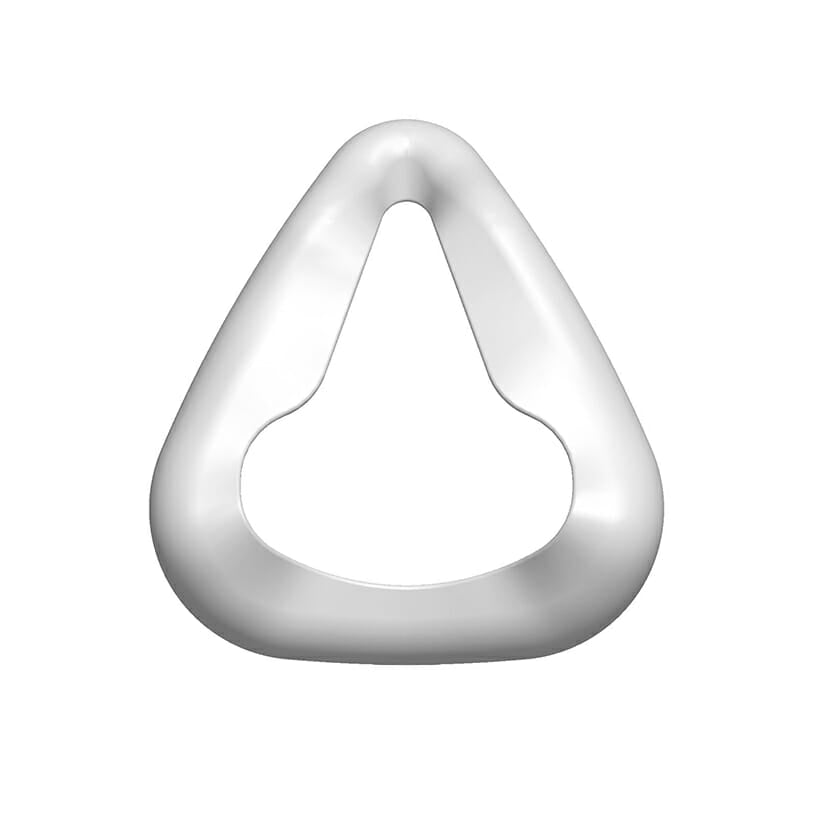


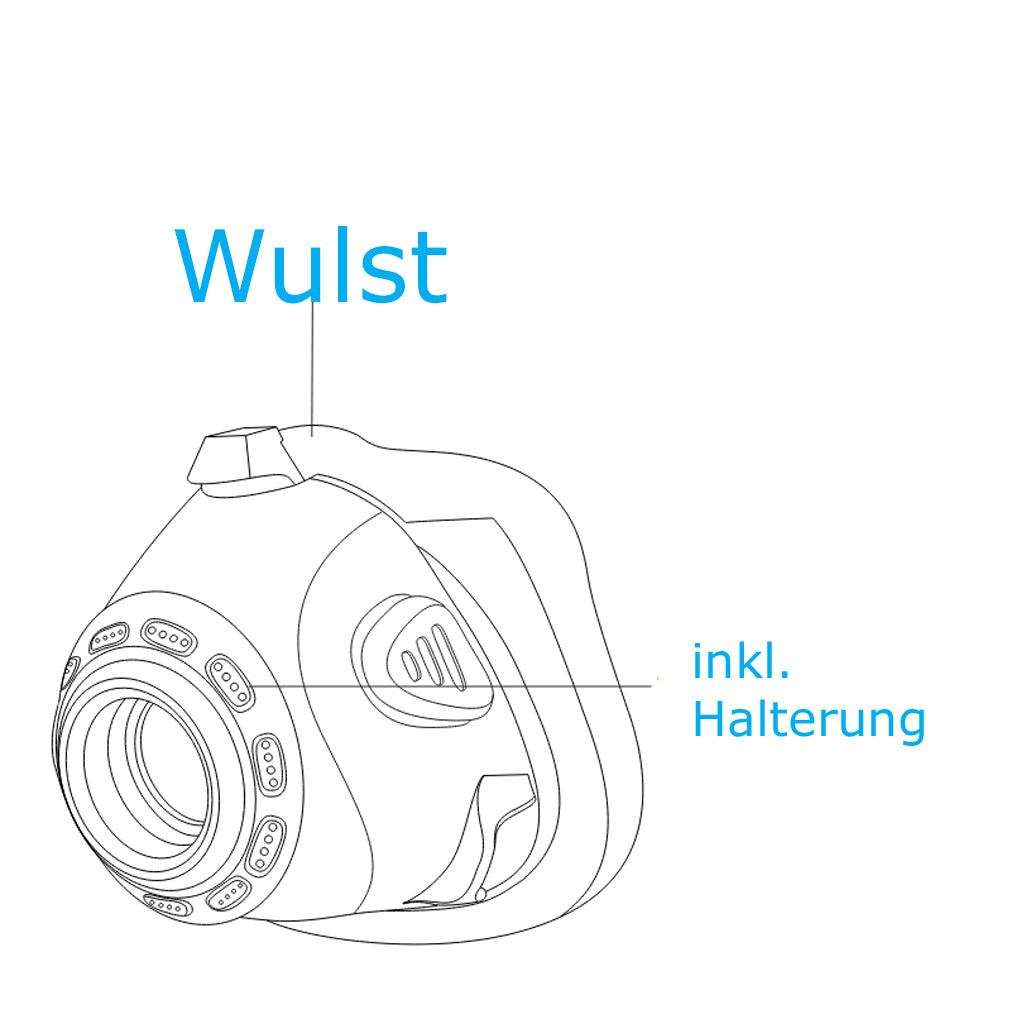


Small nose pads. A big difference in wearing comfort.
CPAP pillow masks provide sleep apnea therapy through the nose with particularly little facial contact. Unlike traditional nasal masks, which enclose the entire nose, nasal pillow masks seal directly at the nostrils with small, soft cushions. This leaves the bridge of the nose free, and many models offer a particularly unobstructed field of vision. The right nasal pillow size and a carefully adjusted headgear are essential for comfortable use. Depending on the model, modern pillow masks offer flexible hose connections and different headgear designs that can enhance individual wearing comfort.
Less mask. More freedom while you sleep.
CPAP pillow masks combine a minimalist design with minimal facial contact. Small, soft nasal pillows seal directly at the nostrils and enable CPAP or APAP therapy through the nose. Different mask designs offer personalized options for fit and comfort.
Minimal contact area
Nasal cushion masks rest mainly around the nostrils. This leaves the bridge of the nose and much of the face uncovered. This can be especially comfortable for users who prefer a more compact mask.
Clear field of view
Thanks to their compact design, the field of vision remains largely unobstructed with many pillow masks. This can make it easier to read or watch TV before falling asleep, and some users find them less confining to wear.
Lightweight mask construction
Many CPAP pillow masks have a slim mask frame and lightweight headgear. Soft nasal pillows and multiple sizes allow for a customized fit around the nostrils.
Freedom of movement while sleeping
Flexible hose connections and different hose routing options can make it easier to move during sleep. Depending on the model, the hose connection is positioned in front of the nose or on top of the head.
Frequently Asked Questions About CPAP Mask Cushions
Are CPAP mask cushions universal?
No. Most mask cushions are designed for specific mask models and should only be used with the masks they are intended for.
Can I use a different size?
That depends on the mask system in question. Not every size can be readily combined with every mask frame.
How do I know which mask cushion I need?
Check the manufacturer, mask model, and size used. You can often find this information on the mask, the packaging, or in the product documentation