

CPAP devices for continuous respiratory therapy
CPAP devices support the treatment of obstructive sleep apnea by delivering continuous airway pressure set by a doctor. This helps keep the upper airways open during sleep and reduce breathing pauses. Discover modern CPAP therapy devices from ResMed and Löwenstein Medical, featuring user-friendly controls and practical comfort features for regular use at home.
What should I look for in a CPAP machine?
CPAP devices support the treatment of obstructive sleep apnea with a constant therapy pressure. Differences in operation, breathing comfort, and features can affect daily use. These three criteria can help you choose.
Constant therapy pressure
CPAP devices operate at a therapy pressure prescribed by a doctor to keep the upper airways open during sleep. Unlike APAP devices, they do not automatically adjust the therapy pressure in response to changing breathing events. Comfort features such as a pressure ramp may still be available.
Humidification & Mask Comfort
A well-fitting CPAP mask is essential for therapy with as few leaks as possible. Depending on the device, a humidifier, pressure ramp, or exhalation relief can improve comfort. Make sure the accessories are compatible.
Easy to use & care for
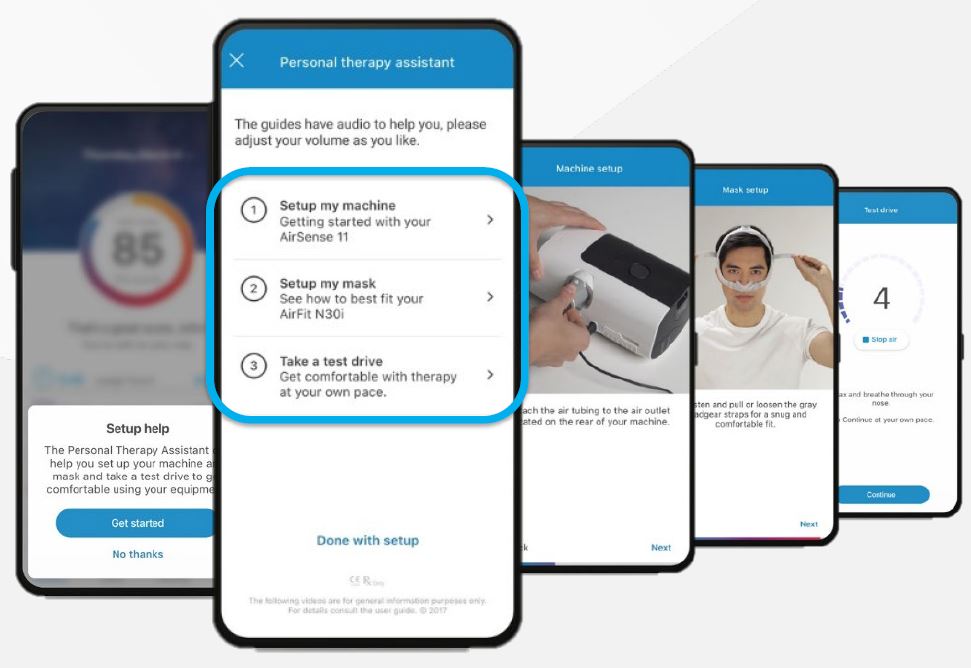
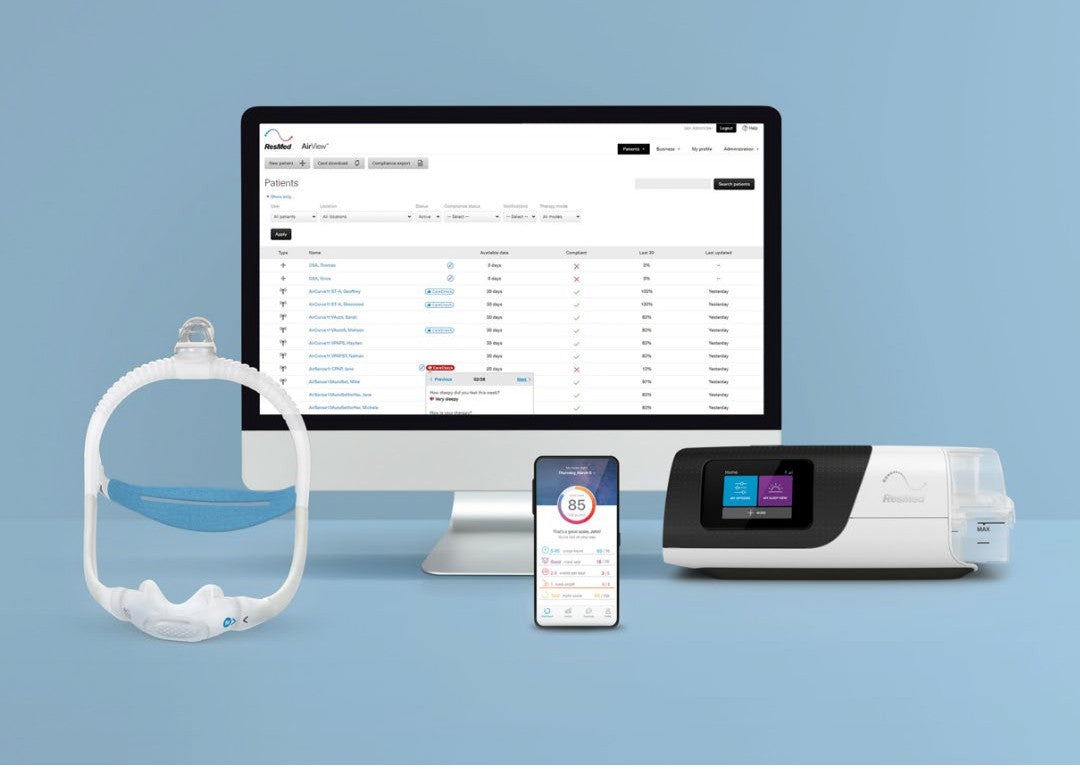
A clear interface, easily accessible filters, and easy-to-clean components make regular use easier. Depending on the model, therapy data may also be displayed or made available to healthcare providers.











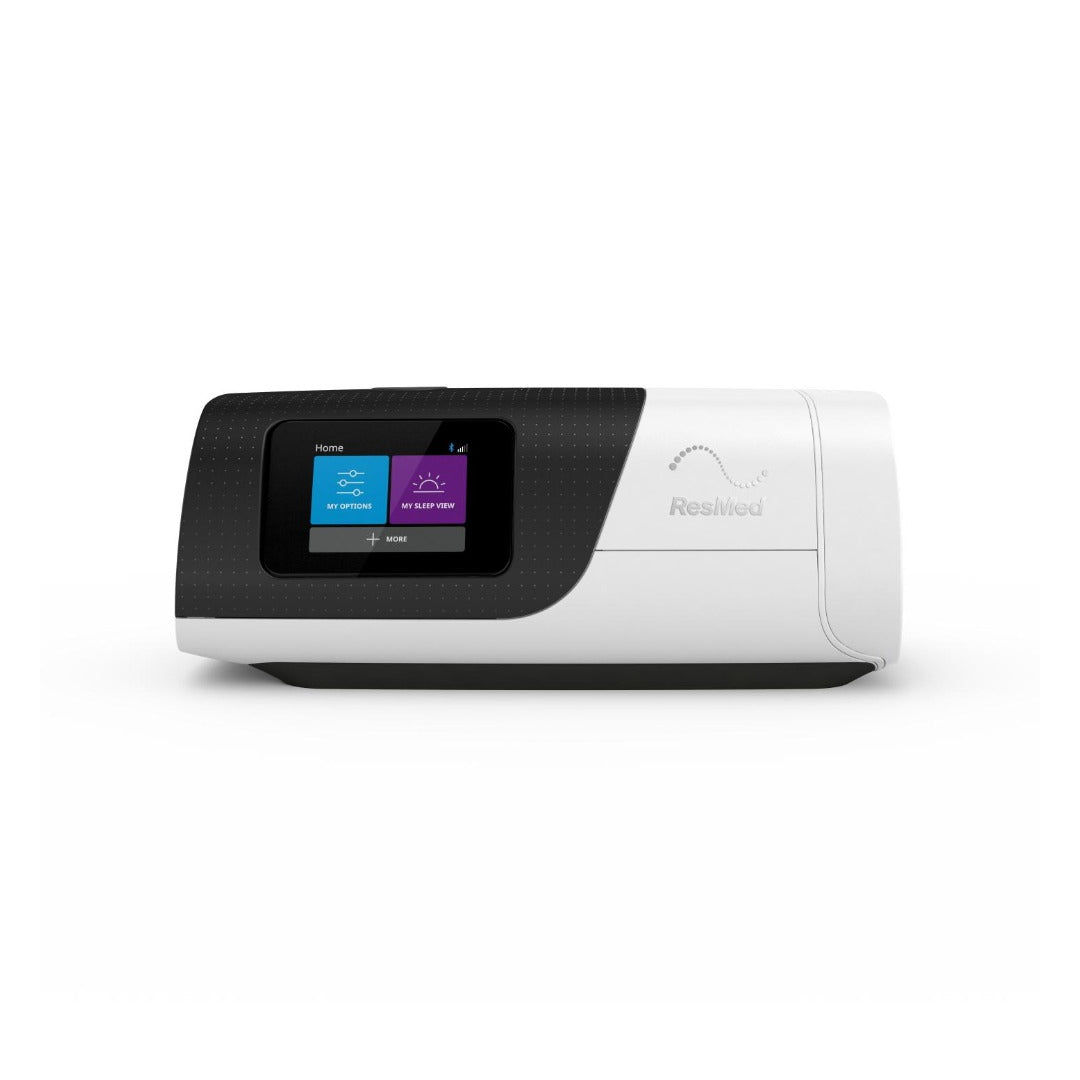


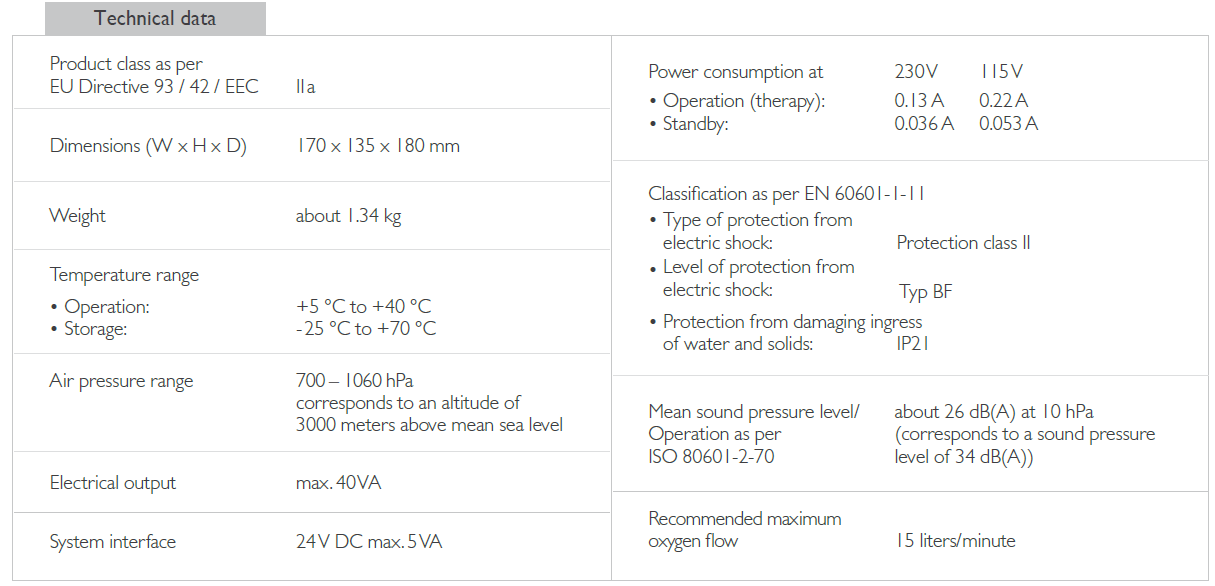
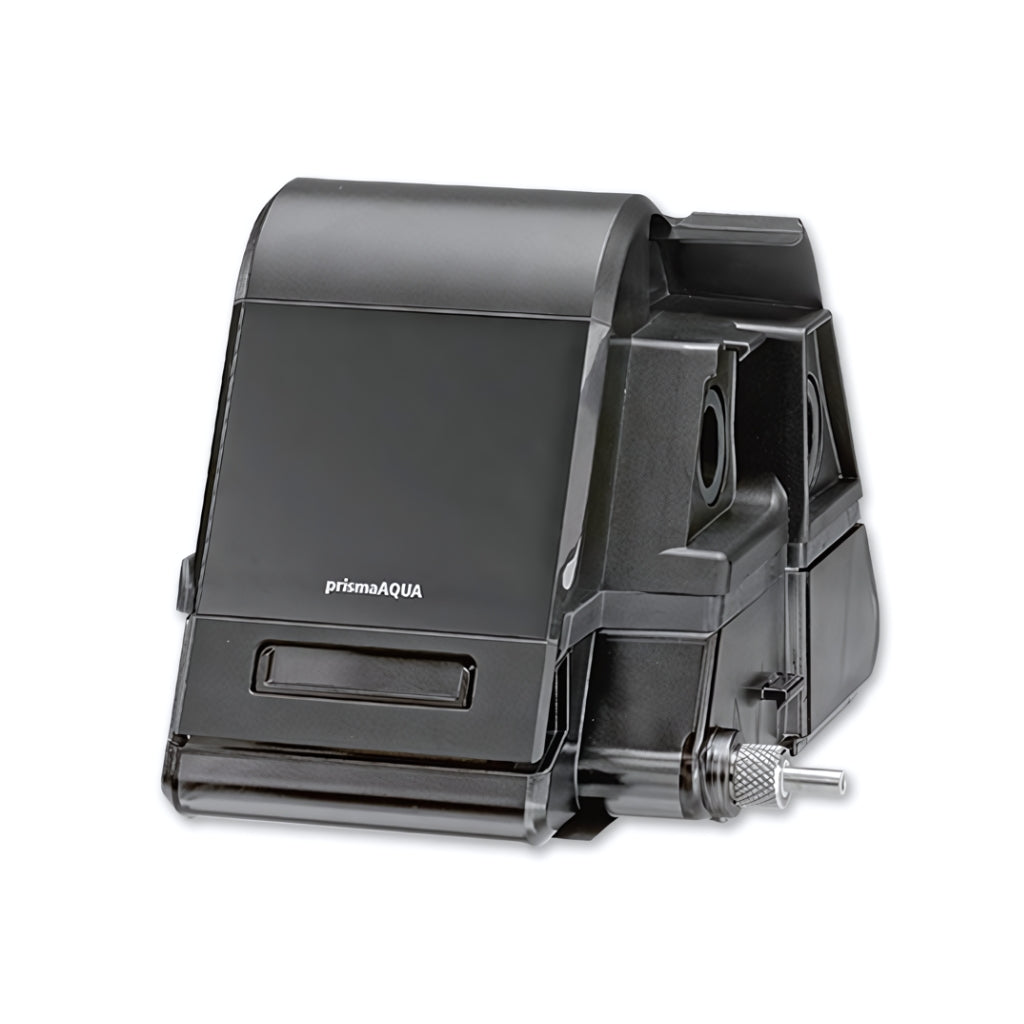


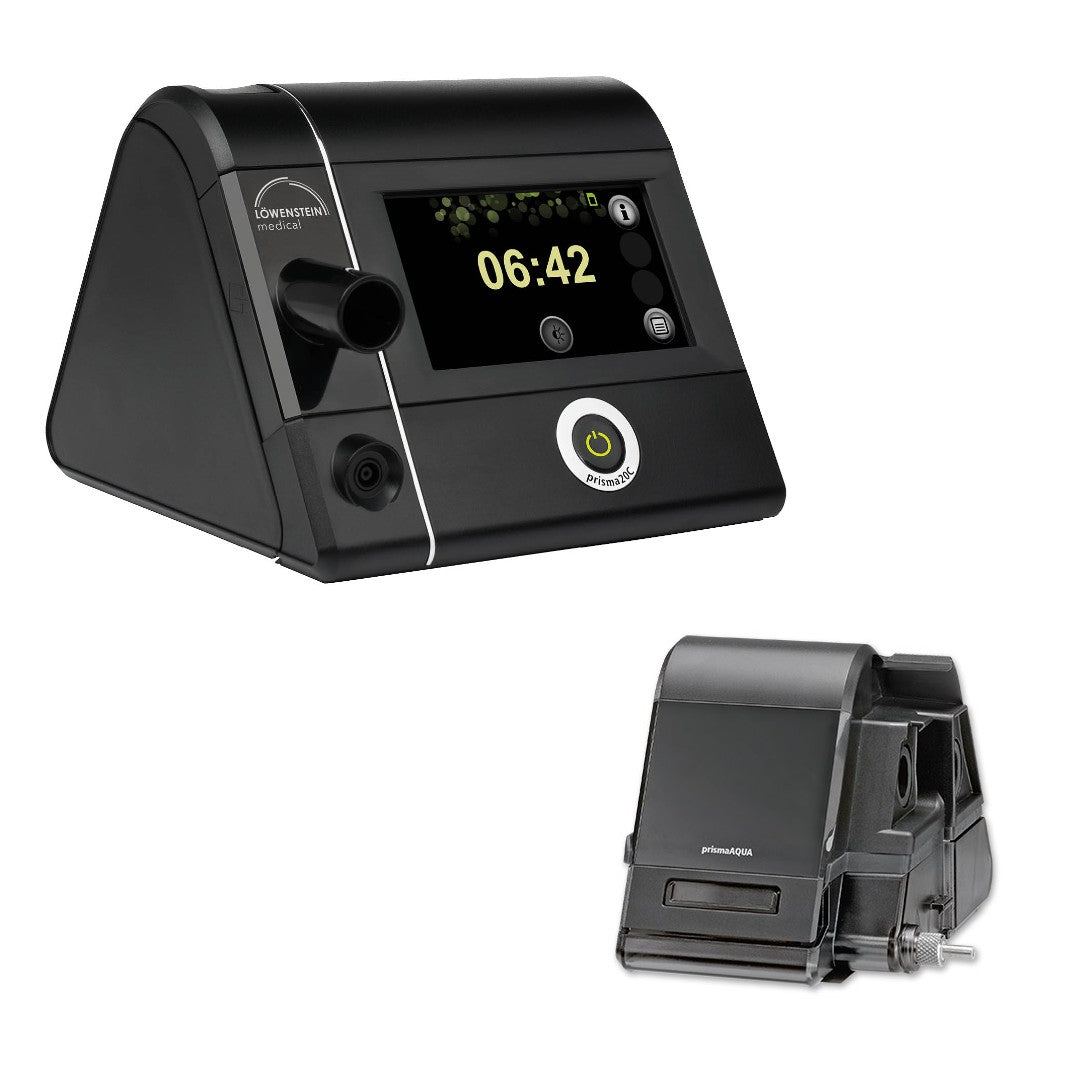


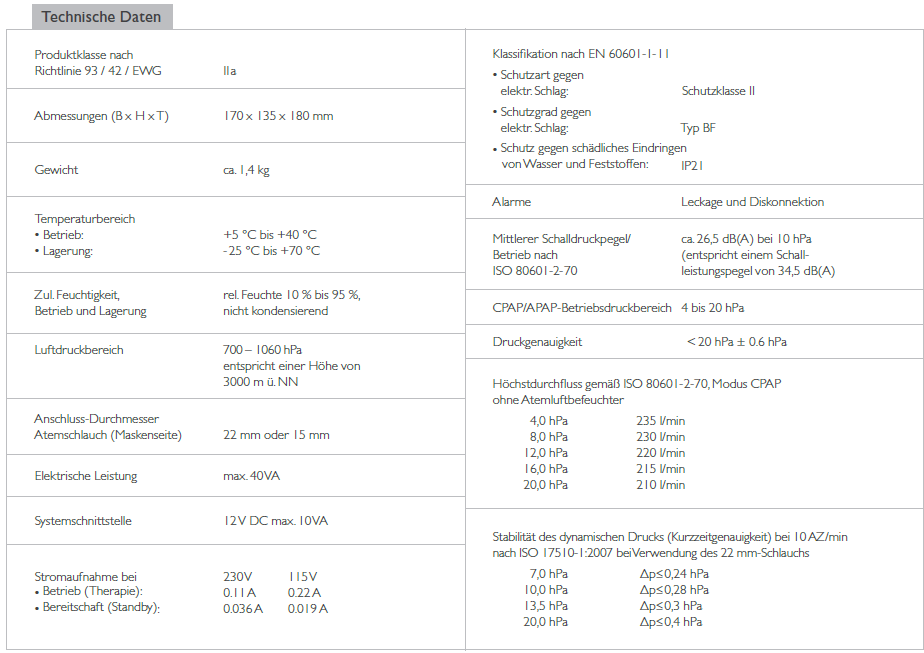


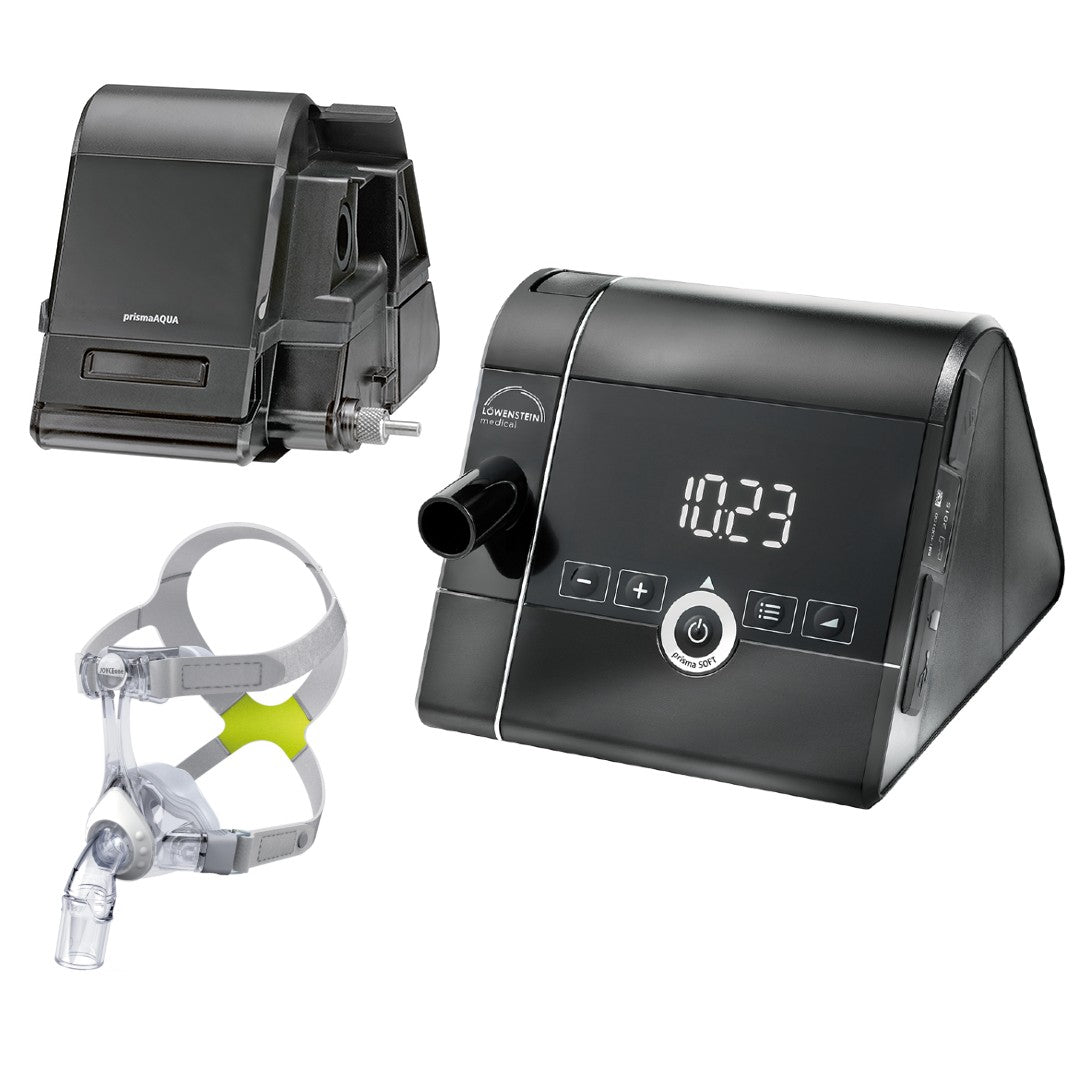
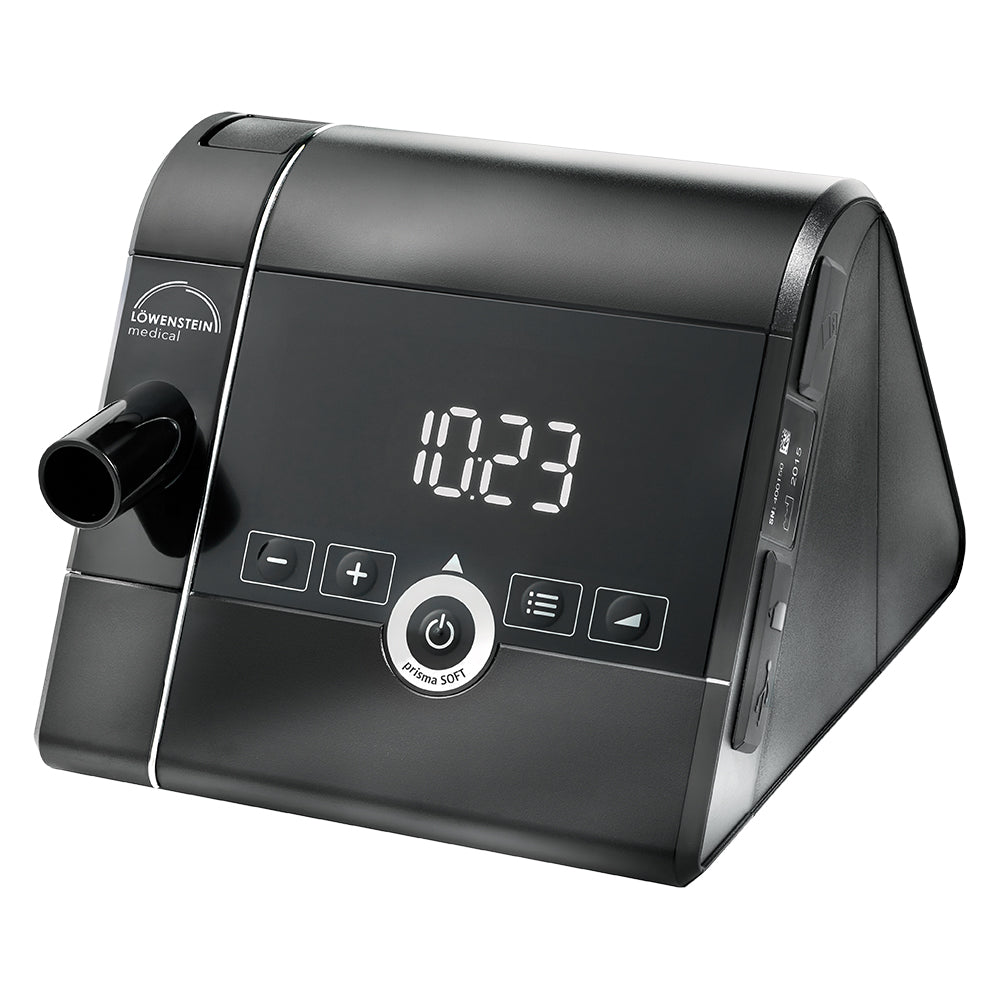
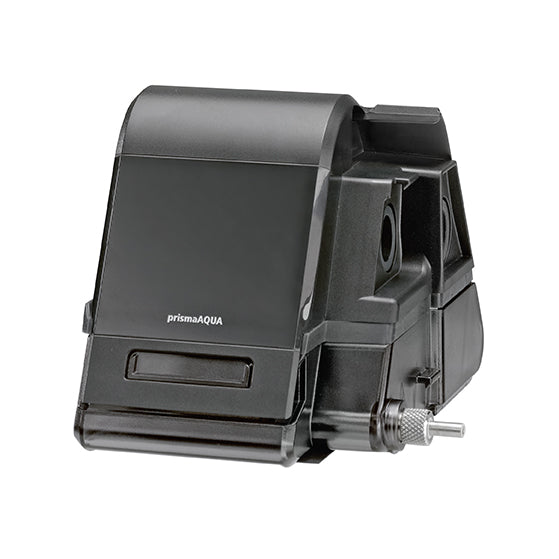


Constant airway pressure for your CPAP therapy
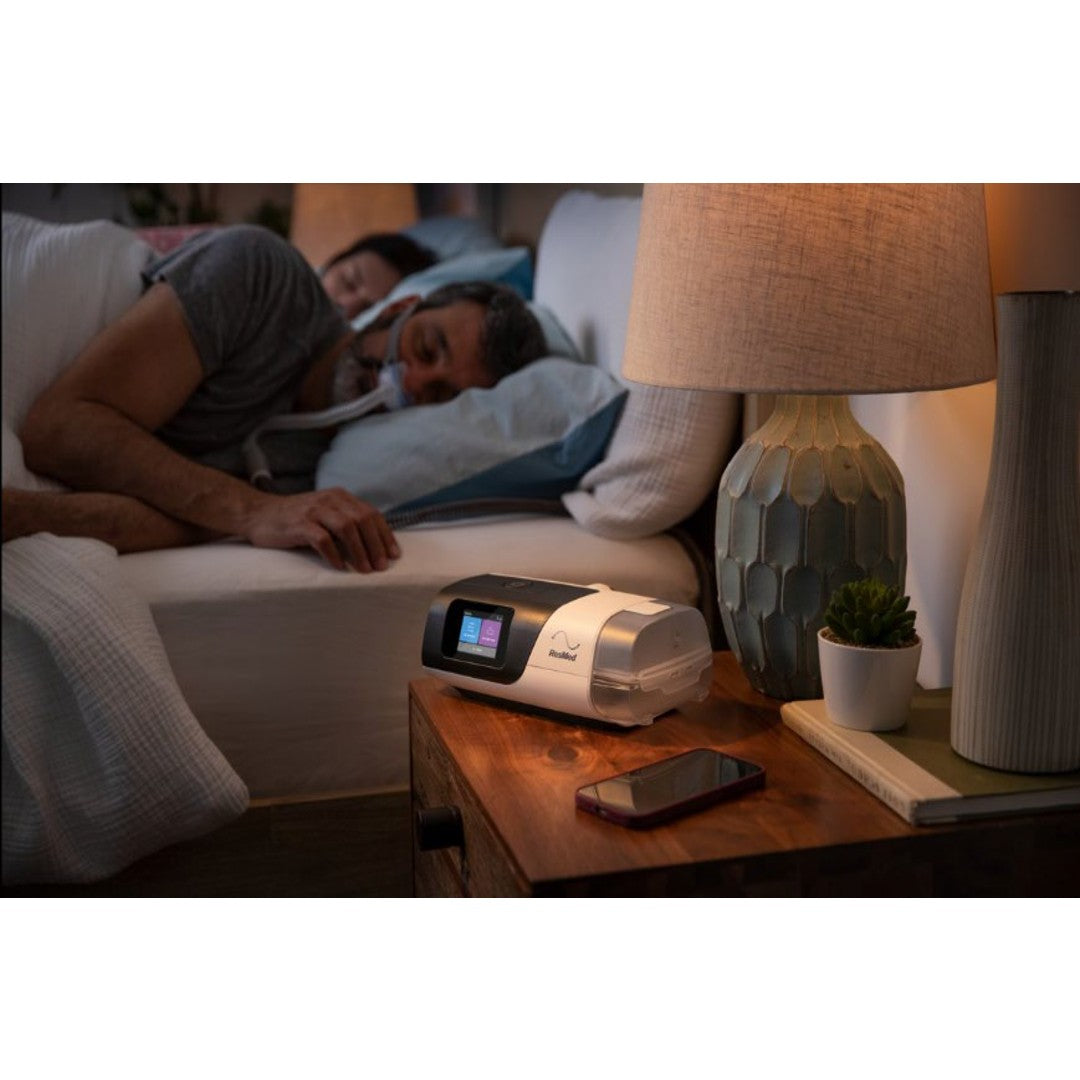
CPAP devices support the treatment of obstructive sleep apnea with continuous therapy pressure set by a physician. Air is delivered at positive pressure through a breathing tube and a suitable CPAP mask to keep the upper airways open during sleep. Depending on the model, modern CPAP devices offer additional comfort features such as humidification, pressure ramp, and exhalation relief. These can support regular use and help users adjust to therapy.
Discover CPAP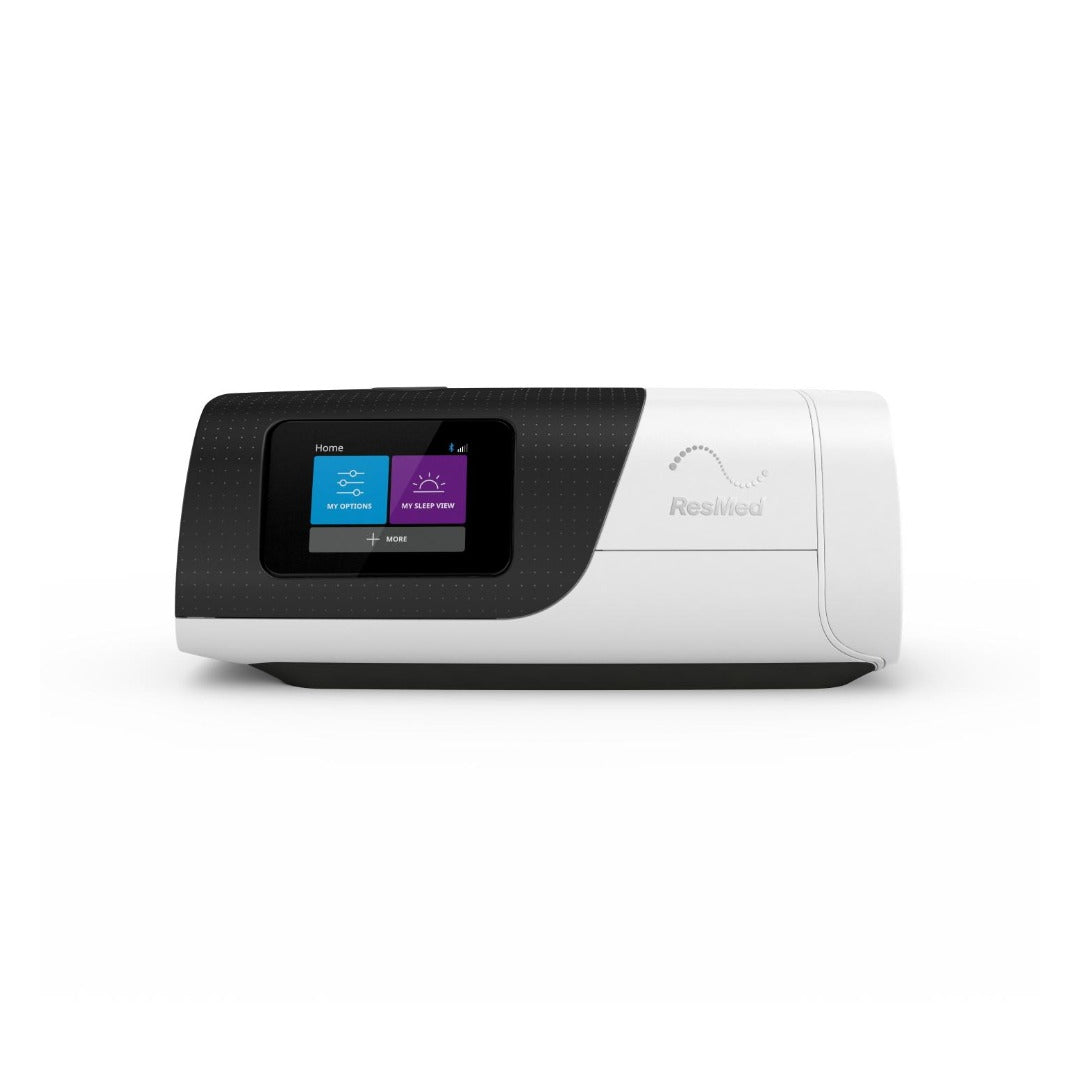
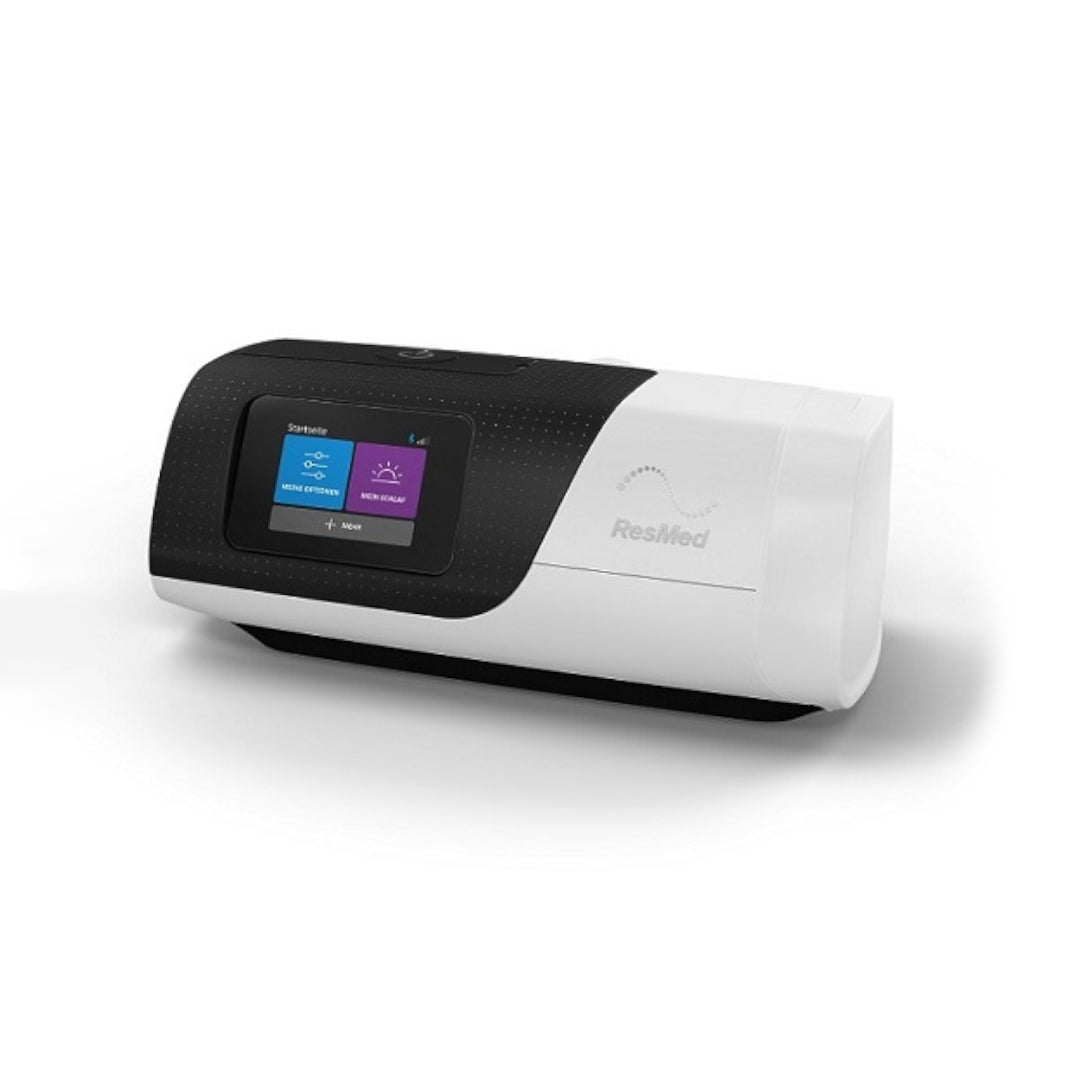

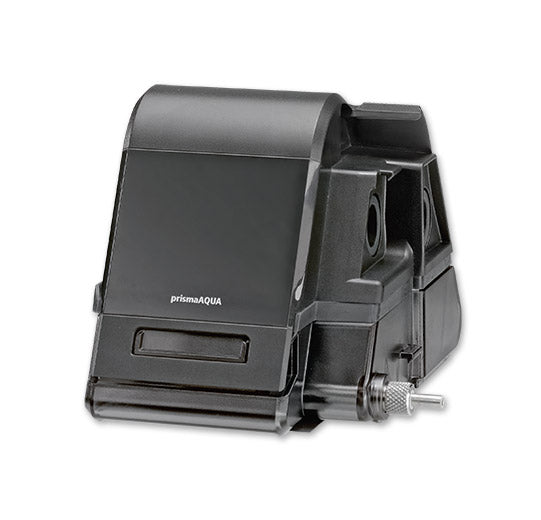


Ongoing support for your sleep therapy
Modern CPAP devices offer a proven treatment for obstructive sleep apnea. By maintaining a constant airway pressure, they help keep the upper airways open during sleep. Additional comfort features can make regular use easier.
Constant therapy pressure
CPAP devices operate at a therapy pressure prescribed by a doctor. This helps keep the upper airways open and can reduce sleep-related pauses in breathing.
Personalized therapy comfort
Depending on the model, features such as pressure ramp, expiratory relief, and humidification can support adjustment to therapy and improve comfort during use.
Therapy monitoring
Many modern CPAP devices record therapy data such as usage time, mask leaks, and residual breathing events. This information can support medical monitoring of treatment.
Easy-to-use operation
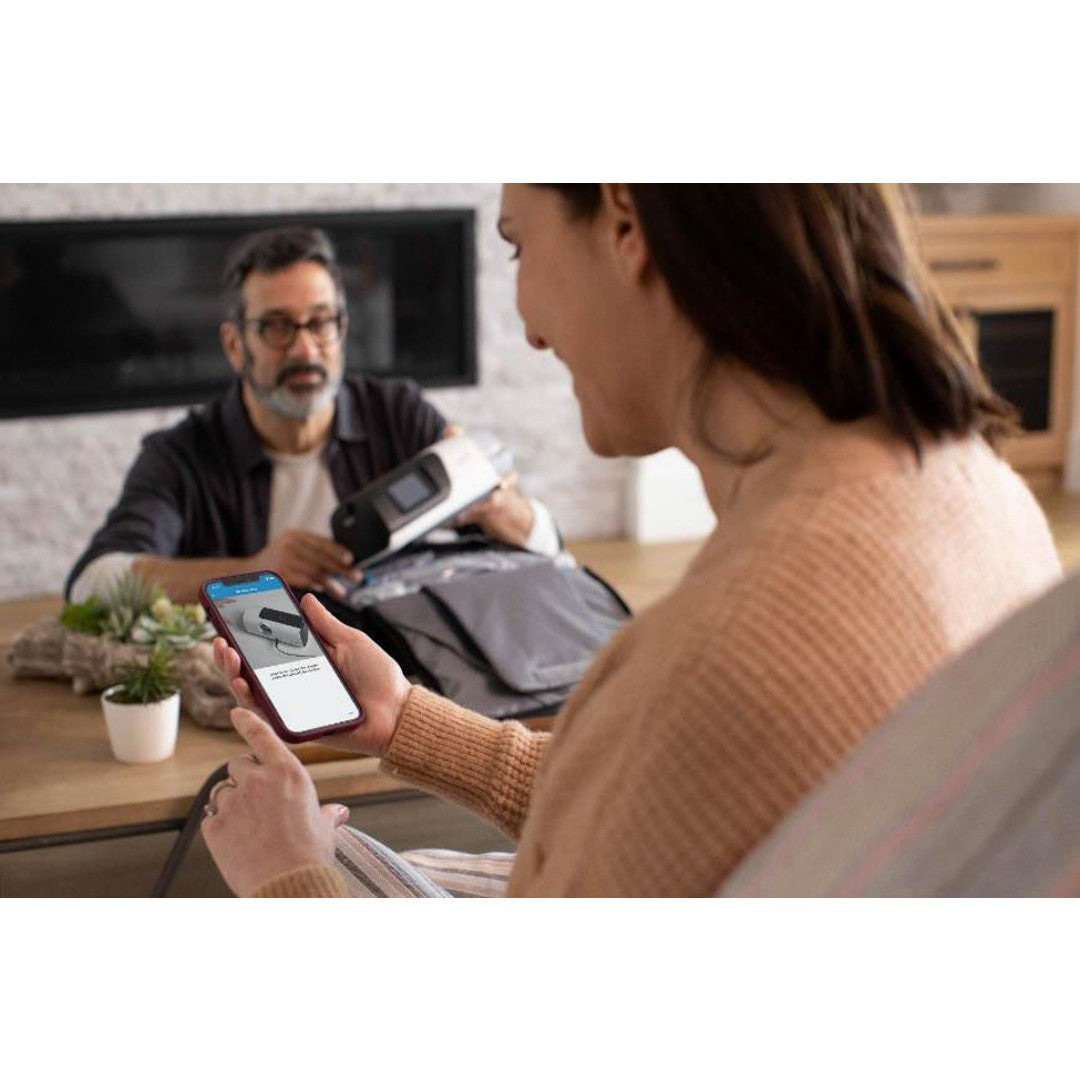
Clear displays, easy-to-understand menus, and easily accessible components make daily use, cleaning, and maintenance of the therapy device easier on suitable models.
Frequently Asked Questions About CPAP Devices
How long should a CPAP machine be used each night?
For noticeable treatment success, the device should be used every night for at least 4 to 5 hours (ideally for the entire duration of sleep).
What helps with a dry nose or dry mouth?
An integrated or add-on heated humidifier (e.g., for the ResMed AirSense series) humidifies the breathing air and protects the mucous membranes from drying out.
How often do the hose, mask, and filter need to be cleaned or replaced?
- Cleaning: The mask and hose should be cleaned regularly with mild soap and water and dried completely.
- Replacement: Filters, mask cushions, and hoses are subject to wear and are generally replaced by the provider (e.g., ResMed Healthcare, Löwenstein Medical, VitalAire) at specific intervals with a prescription covered by health insurance.