






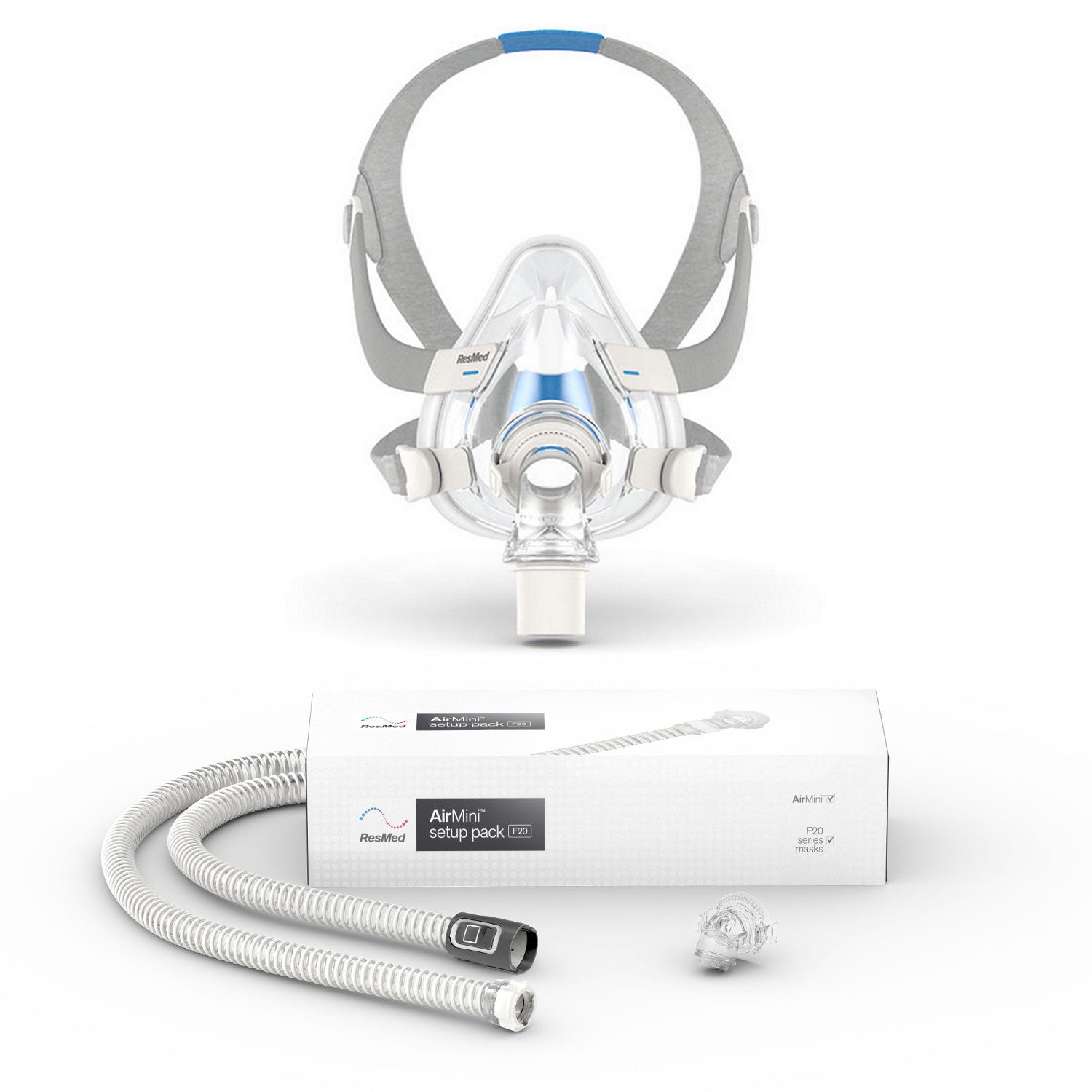


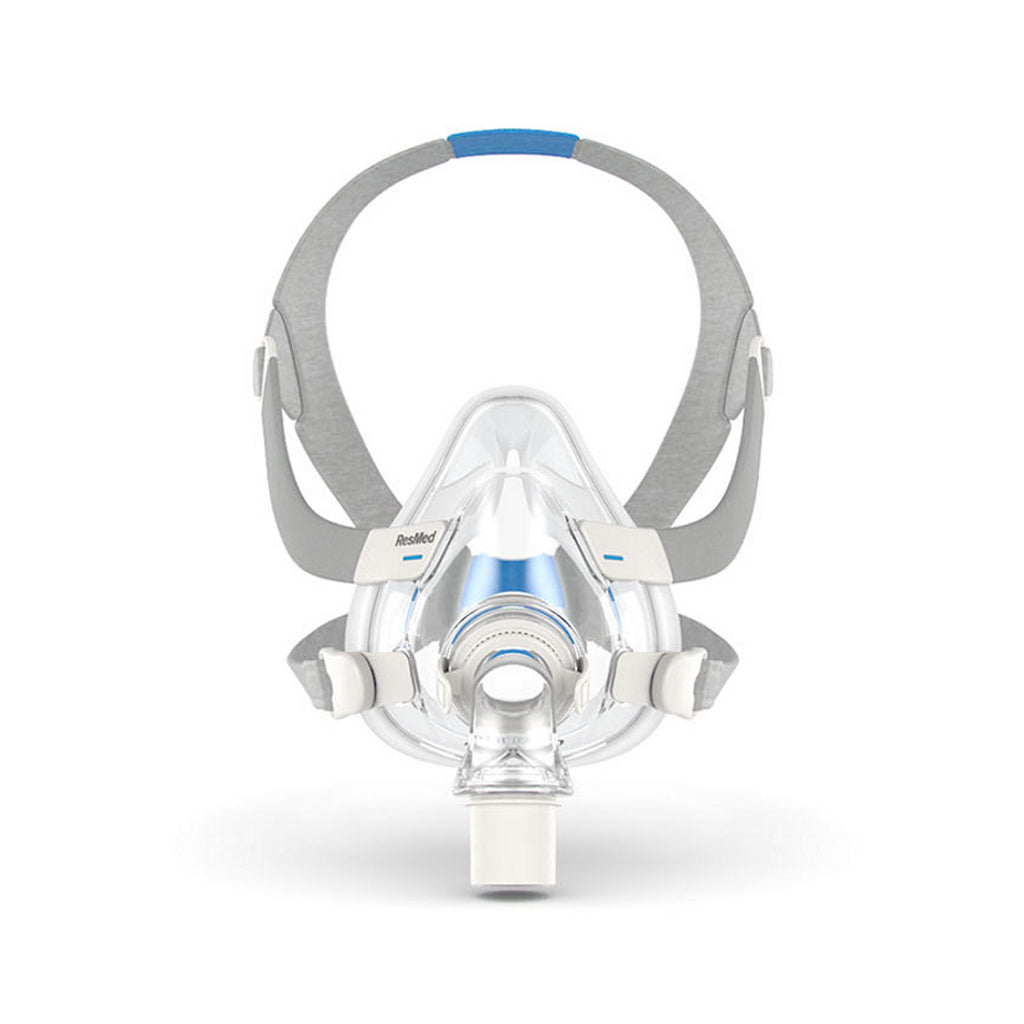


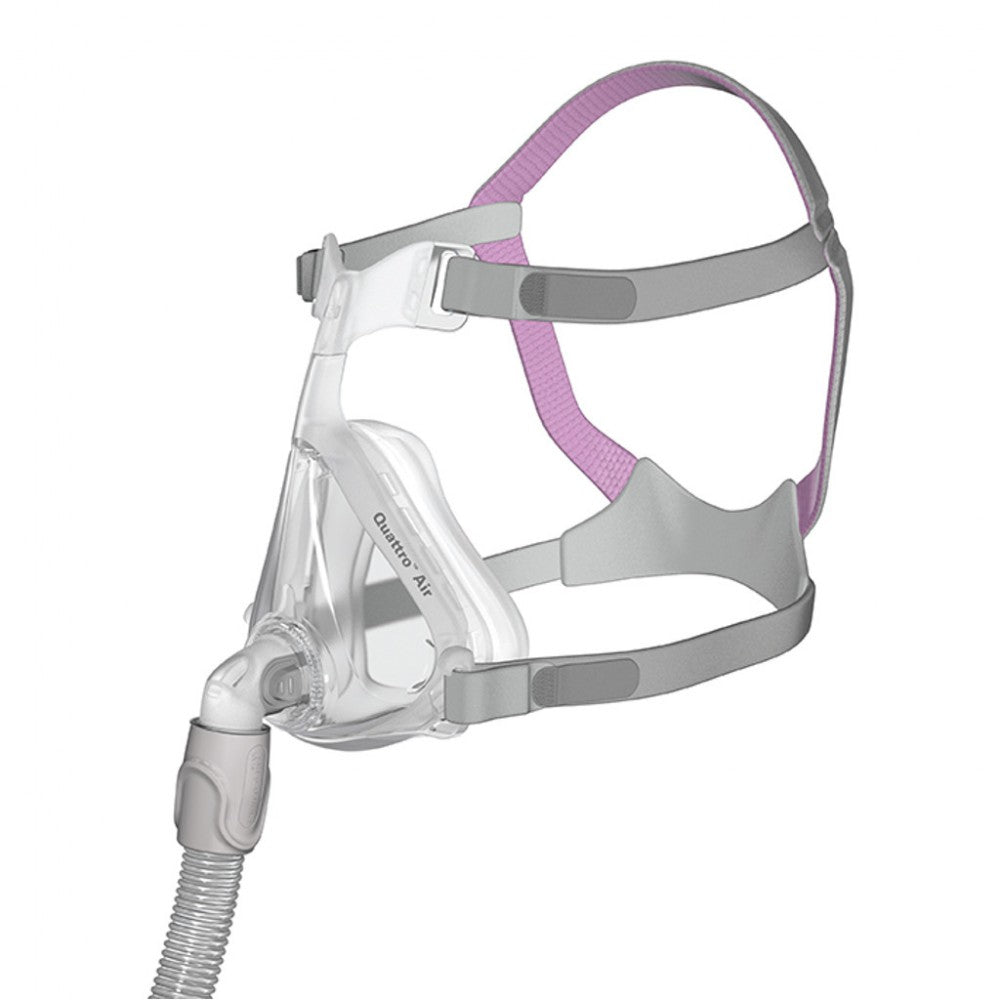




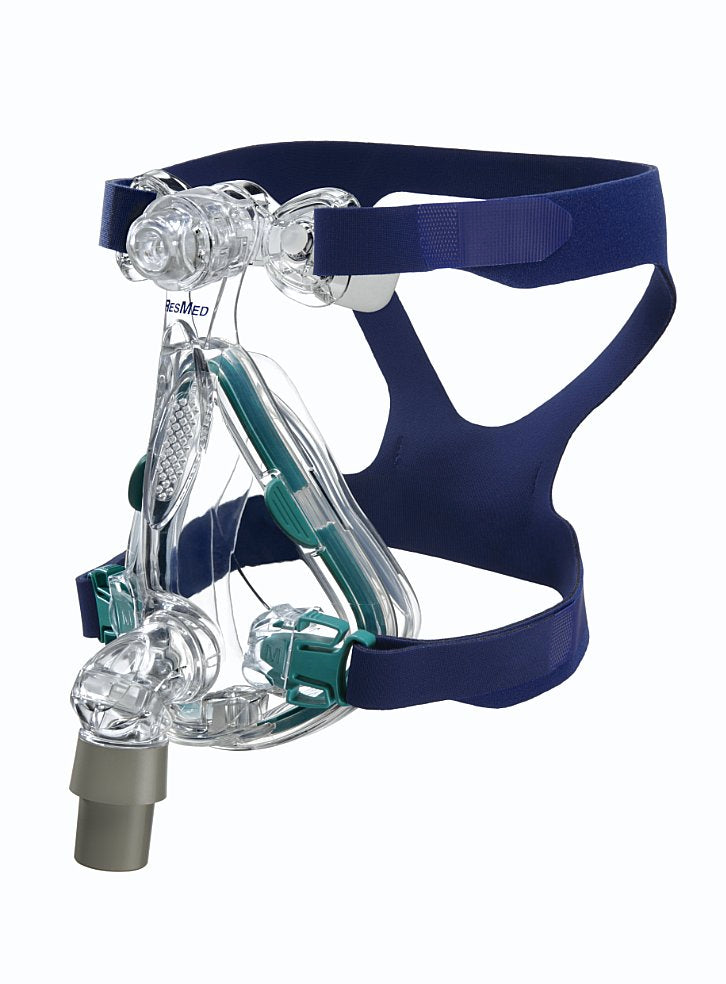

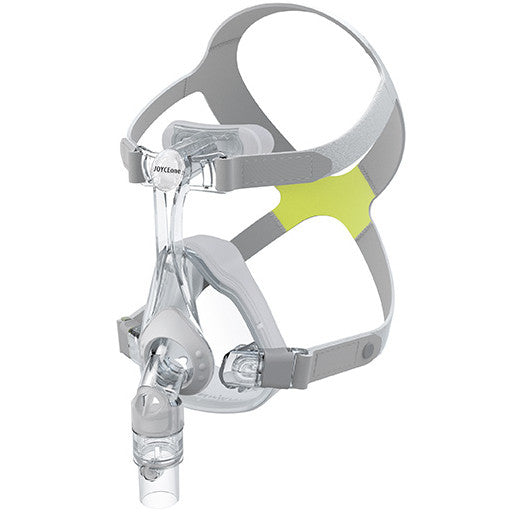


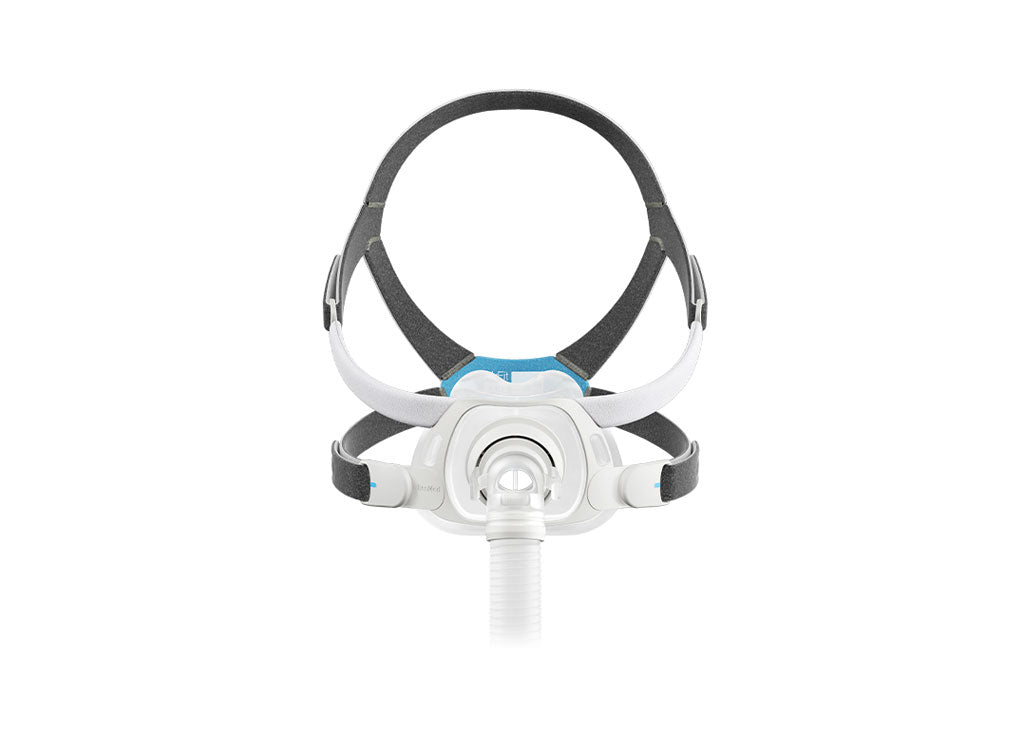
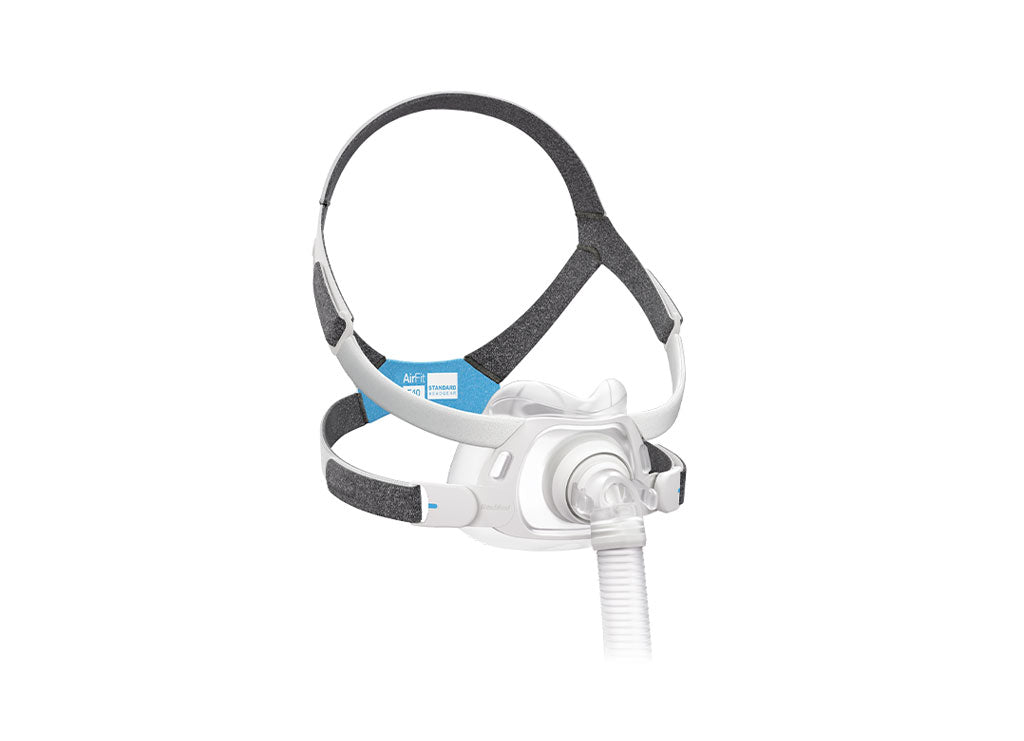


Which full-face mask is right for me?
The right full-face mask should create a secure seal without causing uncomfortable pressure. The most important factors are your face shape, sleeping position, mask size, and the type of cushion. Hose routing and the headgear system can also significantly affect everyday comfort.
Why a full-face mask?
Mouth and nose covered
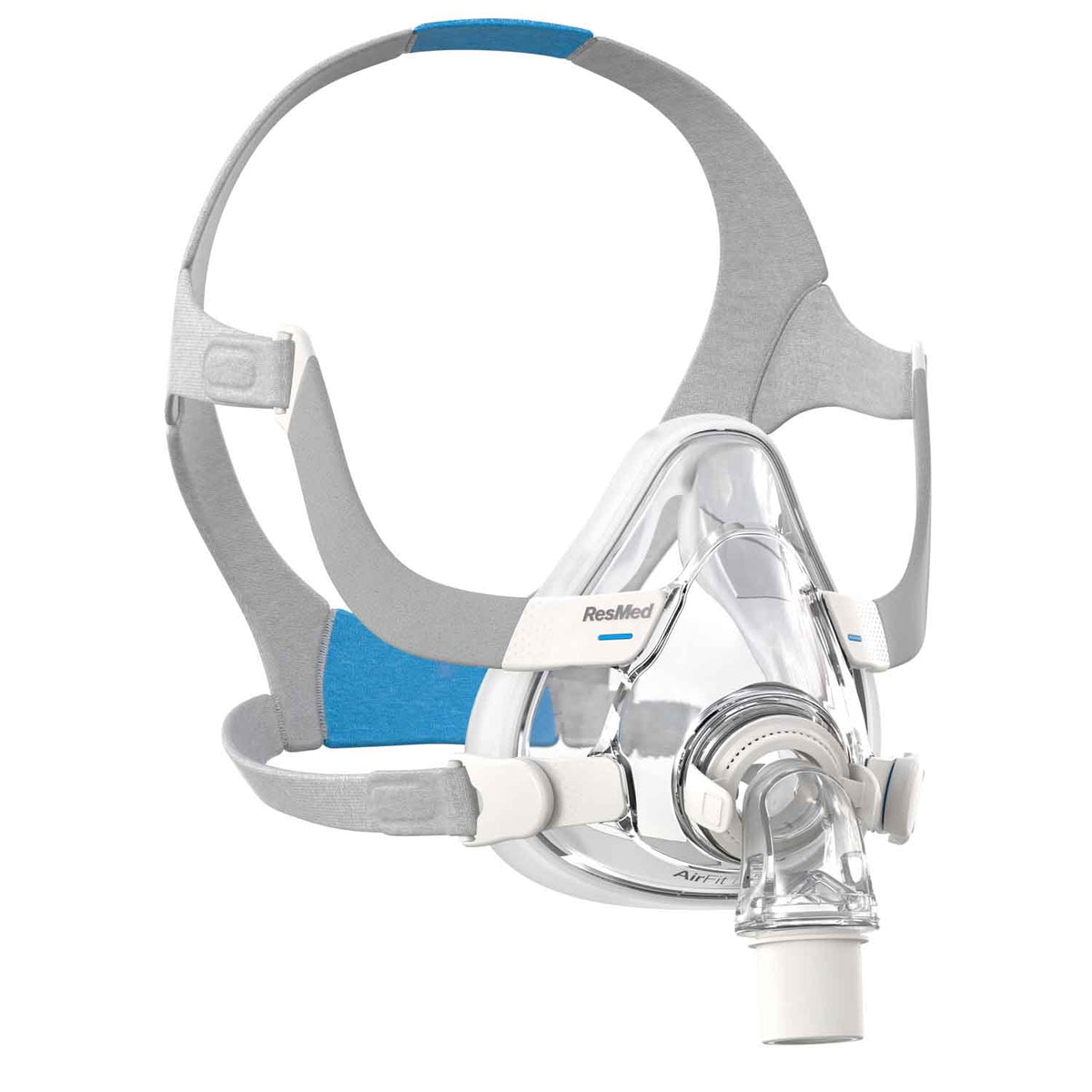
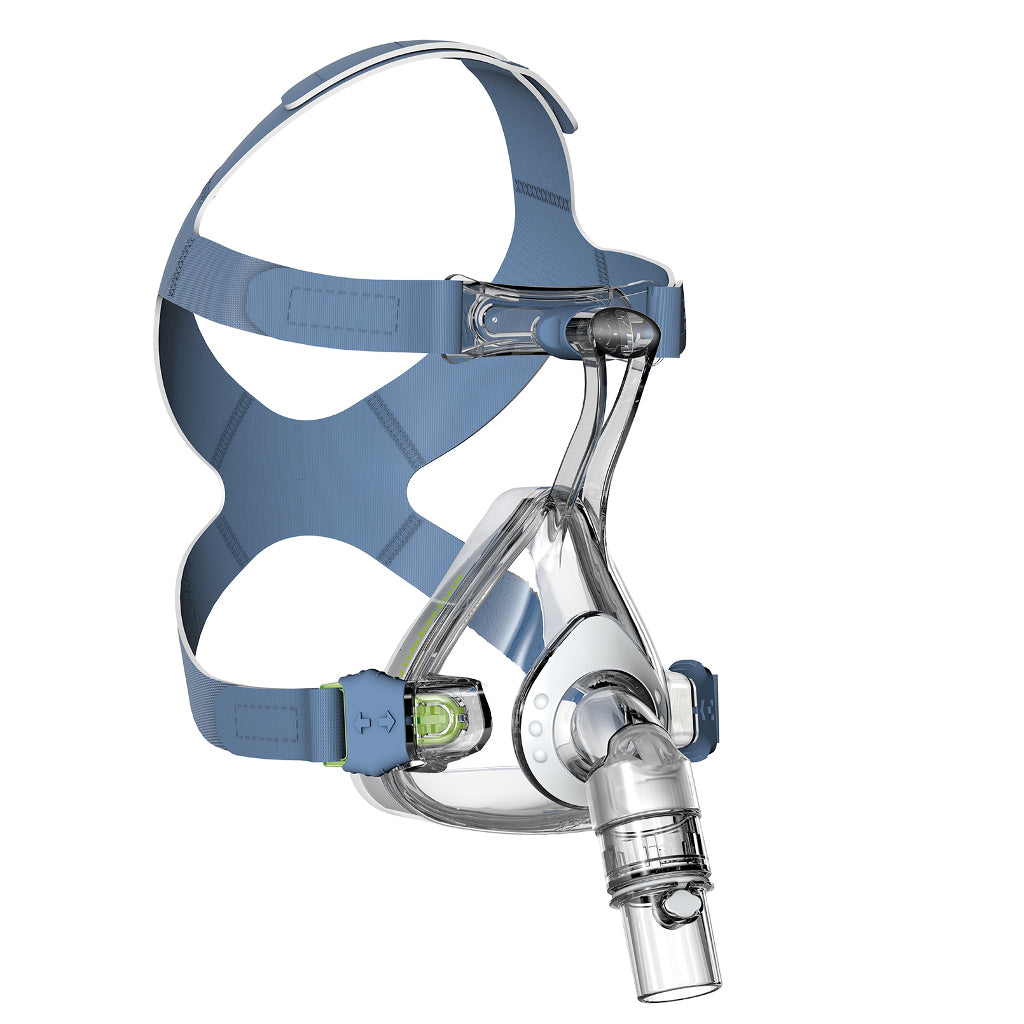
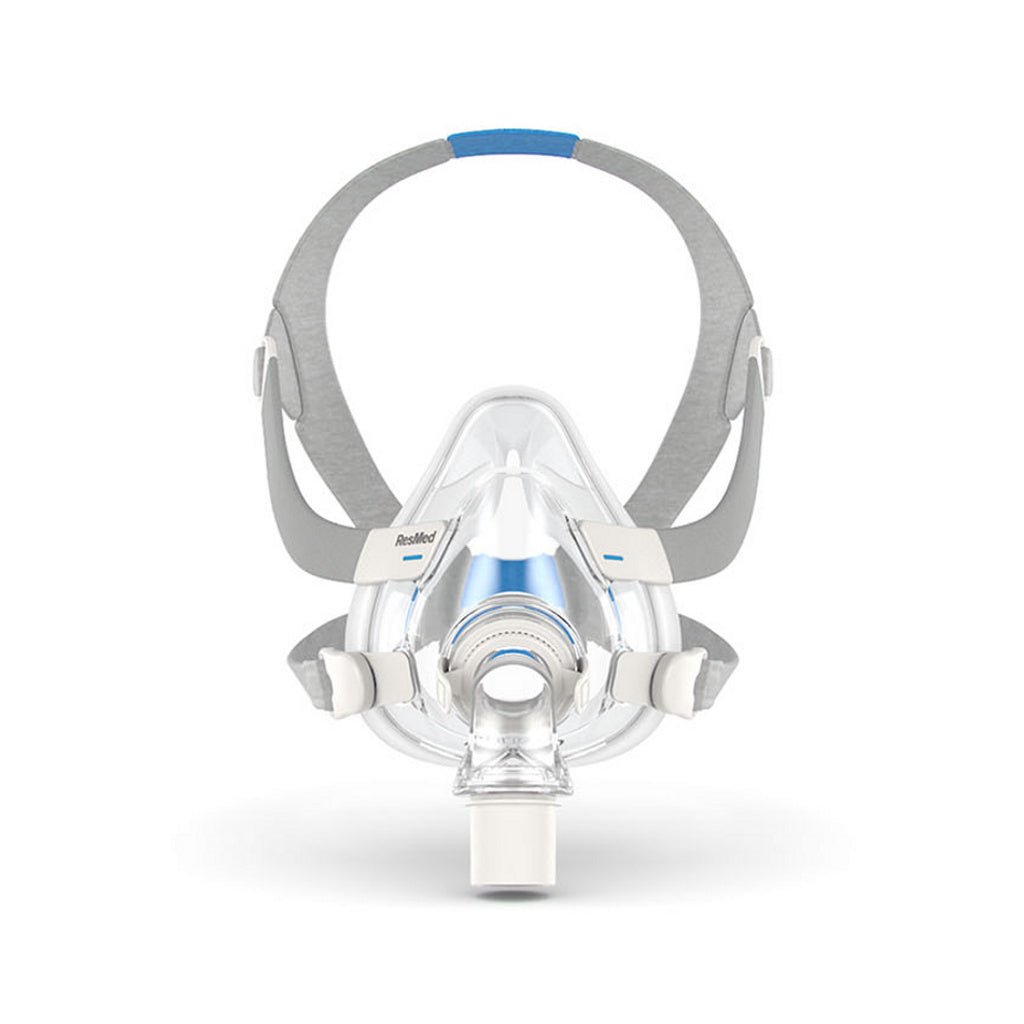
Full-face masks deliver therapy air through the mouth and nose for comfortable sleep.
Suitable for mouth breathing
They can be particularly useful if you regularly breathe through your mouth while sleeping.
Different designs
From more classic masks to more compact designs with a smaller contact area.
For different sleeping habits
Depending on the model, hose routing, headbands, and freedom of movement vary.
What should I look for in a CPAP full-face mask?
When choosing a full-face mask, fit and size are particularly important. The mask should reliably cover the mouth and nose while causing as few pressure points as possible.
Sleeping position should also be taken into account. People who often sleep on their side or move around a lot at night may benefit from a more compact design or flexible tubing.
Full-face masks also differ in their cushions, headgear, and fastening systems. Which design is most comfortable depends greatly on individual requirements
Frequently Asked Questions About Full-Face Masks
What is the difference between a full-face mask and a nasal mask?
A nasal mask covers only the nose, while a full-face mask covers the mouth and nose
Who is a full-face mask suitable for?
Full-face masks are particularly suitable for users who regularly breathe through their mouth while sleeping or need a mask that covers both the mouth and nose
What size do I need?
The right size depends on the particular mask model and the individual shape of your face. The manufacturer’s sizing and measurement guides should be followed